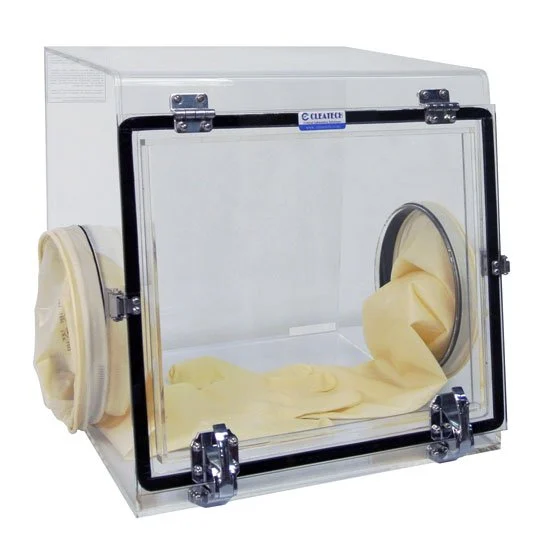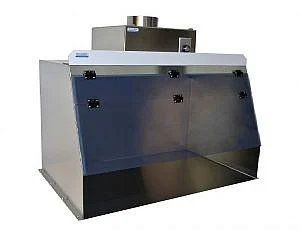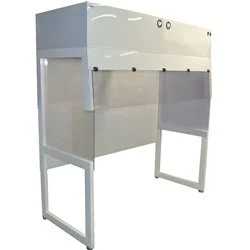
A laminar flow hood is one of the most important investments you can make for contamination-free laboratory work. Whether you handle pharmaceuticals, electronics, medical devices, or research samples, choosing the right hood directly affects cleanliness, safety, workflow efficiency, and product quality. Before you invest in a system, you should carefully evaluate several technical and operational factors to ensure the equipment meets your lab requirements.
If you plan to buy laminar flow hood for cleanroom laboratory applications, understanding the critical features beforehand can help you avoid expensive mistakes and improve long-term performance.
Understand the Purpose of the Laminar Flow Hood
Before selecting a unit, define exactly how you plan to use it. Laminar flow hoods are designed to create particle-free working environments by directing filtered air across the workspace. However, different applications require different airflow designs.
You generally have two main options:
- Horizontal laminar flow hoods
- Vertical laminar flow hoods
Horizontal flow units push clean air directly toward you from the back of the cabinet. These work well for electronics assembly and non-hazardous sample handling.
Vertical flow systems direct air downward from the top. They are often preferred for applications requiring better operator comfort and reduced cross-contamination risk.
Choosing the wrong airflow direction can reduce efficiency and compromise cleanliness standards.
Check HEPA or ULPA Filtration Quality
The filter is the heart of every laminar flow hood. You should always verify the filtration efficiency before purchasing.
High-quality hoods typically use:
- HEPA filters with 99.97% efficiency at 0.3 microns
- ULPA filters with 99.999% efficiency for ultra-clean applications
Ask about:
- Filter certification
- Airflow uniformity
- Filter lifespan
- Replacement accessibility
Poor filtration quality can lead to contamination issues, failed experiments, and increased maintenance costs.
Evaluate the Size and Workspace Requirements
Many buyers focus only on filtration and overlook workspace dimensions. Before purchasing, measure your available laboratory space and estimate how much working room you need inside the hood.
Consider:
- Width of equipment you will place inside
- Height clearance requirements
- Operator movement space
- Future scalability
Buying a hood that is too small may restrict workflow, while an oversized unit can waste valuable lab space and increase energy consumption.
Review Airflow Velocity and Performance
Consistent airflow is essential for maintaining contamination control. A high-performing hood should provide uniform air velocity throughout the work area.
Typical airflow velocity ranges between:
- 90 to 120 feet per minute (FPM)
Ask the manufacturer for airflow test reports and performance validation data. Uneven airflow may create dead zones where contaminants accumulate.
You should also check whether the hood complies with industry cleanliness standards such as ISO classifications.
Consider Material Construction and Durability
Laboratory environments often expose equipment to chemicals, particles, moisture, and continuous use. That is why the construction material matters.
Look for:
- Stainless steel interiors
- Corrosion-resistant surfaces
- Chemical-resistant coatings
- Durable tempered glass side panels
High-quality materials improve durability and simplify cleaning procedures. Stainless steel models are especially beneficial for cleanroom and pharmaceutical environments because they resist rust and bacterial buildup.
Examine Noise Levels and Operator Comfort
A noisy hood can reduce workplace productivity and create operator fatigue during long procedures. Before buying, ask about sound ratings and ergonomic design features.
Helpful features include:
- Low-noise blower systems
- Adjustable work surfaces
- LED lighting
- Comfortable arm positioning
- Glare-free interior visibility
Operator comfort becomes increasingly important if the hood will be used for extended periods daily.
Verify Cleanroom Compatibility
Not every laminar flow hood is suitable for controlled cleanroom environments. If you work in regulated industries, you should verify compatibility with your required cleanliness standards.
Check whether the unit supports:
- ISO cleanroom classifications
- GMP compliance
- ESD-safe configurations
- Static control options
For electronics manufacturing or semiconductor applications, electrostatic discharge protection may also be essential.
Ask About Maintenance and Serviceability
Maintenance requirements significantly affect long-term operating costs. Before purchasing, learn how easy it is to maintain the system.
Important questions include:
- How often do filters need replacement?
- Is filter access simple?
- Are replacement parts readily available?
- Does the manufacturer provide technical support?
Easy-to-service equipment reduces downtime and helps maintain continuous laboratory productivity.
Compare Energy Efficiency Features
Modern laboratories prioritize energy-efficient equipment to reduce operational costs. Some laminar flow hoods include energy-saving technologies that lower electricity consumption without sacrificing performance.
Features worth considering include:
- Variable speed blowers
- Energy-efficient motors
- LED lighting systems
- Smart airflow monitoring
Energy-efficient systems can provide substantial savings over time, especially in facilities operating continuously.
Evaluate Safety Features
Even though laminar flow hoods primarily protect samples, safety features still matter for daily operations.
Look for systems with:
- Filter condition monitoring
- Airflow alarms
- Automatic airflow adjustment
- UV sterilization options
- Spill-resistant work surfaces
These features improve operational reliability and help maintain clean working conditions.
Choose a Reliable Manufacturer
Your equipment quality often depends on the manufacturer’s expertise and reputation. A trusted supplier can provide better engineering, stronger customer support, and reliable warranty coverage.
When researching suppliers, review:
- Industry experience
- Product certifications
- Customer reviews
- Technical support availability
- Customization options
If you want dependable contamination control solutions, CleaTech LLC laboratory cleanroom equipment manufacturer offers a wide range of high-quality laminar flow hoods designed for laboratory, medical, and industrial environments.
Request Customization Options
Standard models may not always fit specialized applications. Many laboratories require customized configurations to support unique workflows.
Possible customization options include:
- Custom dimensions
- Pass-through chambers
- Specialized shelving
- Gas ports
- Electrical outlets
- Stainless steel worktops
Discussing customization early helps ensure the hood integrates smoothly into your workspace.
Final Thoughts
Buying the right laminar flow hood requires more than comparing prices. You should carefully evaluate filtration quality, airflow performance, material durability, maintenance requirements, safety features, and cleanroom compatibility before making a final decision.
A well-designed laminar flow hood protects your sensitive processes, improves workflow efficiency, and supports long-term operational reliability. Investing in the correct system today can help you prevent contamination issues and reduce future maintenance expenses.
If you are ready to upgrade your laboratory environment, contact us today for expert laminar flow hood guidance and find the right solution for your application.
Frequently Asked Questions
What is the difference between a horizontal and vertical laminar flow hood?
A horizontal hood pushes filtered air directly toward the operator from the back wall, while a vertical hood directs filtered air downward from the top. Vertical systems are often preferred for reduced cross-contamination and operator comfort.
How often should HEPA filters be replaced in a laminar flow hood?
Most HEPA filters last between 3 to 5 years depending on usage, airflow conditions, and environmental contamination levels. Regular testing helps determine replacement timing.
Can a laminar flow hood protect the operator from hazardous chemicals?
No. Standard laminar flow hoods primarily protect the product or sample, not the operator. Hazardous chemical handling usually requires a fume hood or biosafety cabinet.
Why is airflow velocity important in a laminar flow hood?
Proper airflow velocity maintains consistent contamination control and prevents particles from entering the work area. Uneven airflow may compromise cleanroom performance.
Are stainless steel laminar flow hoods better for cleanrooms?
Yes. Stainless steel surfaces resist corrosion, simplify cleaning, and reduce particle accumulation, making them ideal for controlled laboratory environments.
What industries commonly use laminar flow hoods?
Laminar flow hoods are widely used in pharmaceuticals, biotechnology, semiconductor manufacturing, medical device production, microbiology, and electronics assembly.