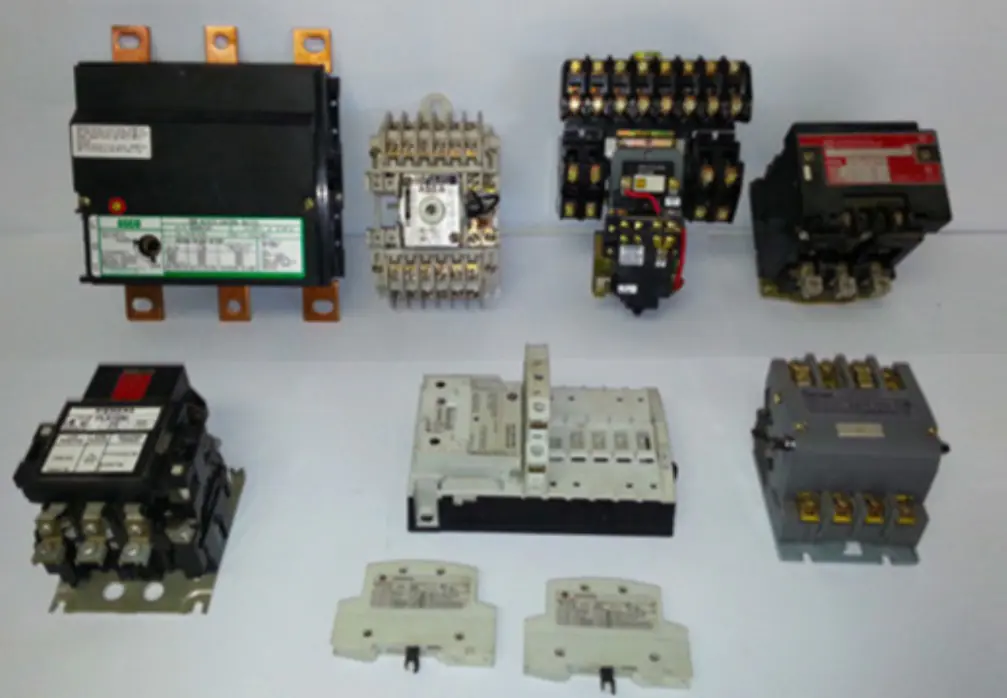
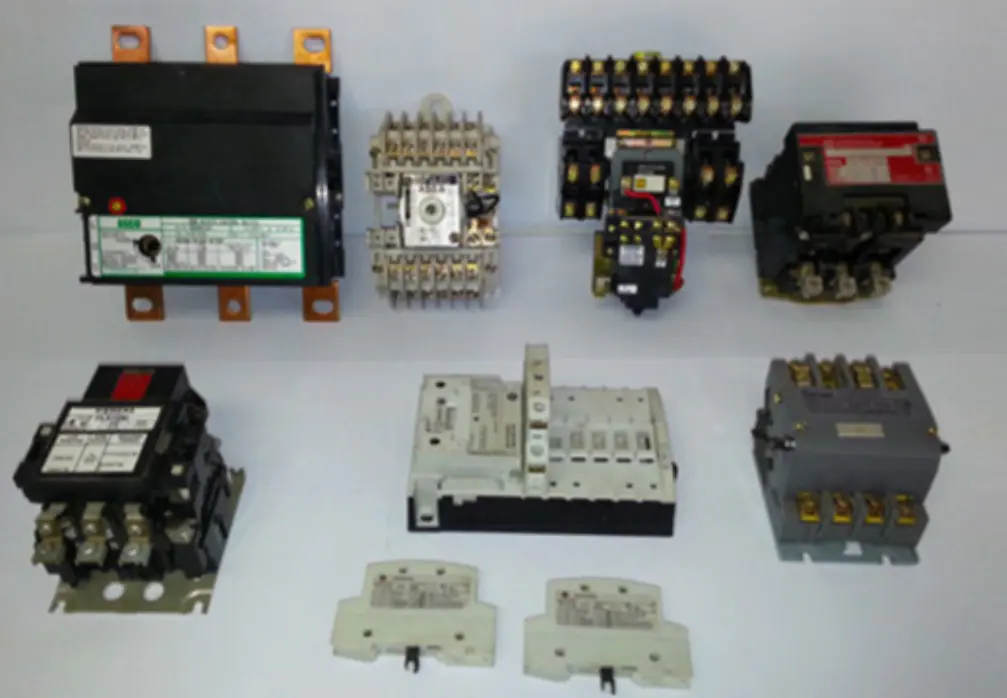
For facilities with complex electrical systems, industrial circuit breakers are essential for protecting equipment, machinery, and personnel from electrical faults. Unlike residential circuit breakers, which handle lower voltage and simpler electrical setups, industrial circuit breakers manage high-capacity circuits and heavy-duty machinery. Understanding how these devices work, their types, and their maintenance requirements is key for both safety and efficiency. This guide will help you navigate the differences between industrial and residential circuit breakers and offer tips for choosing the right system for your needs.
What Are Industrial Circuit Breakers?
Industrial circuit breakers are devices designed to automatically interrupt electrical flow in the event of overloads or short circuits in industrial systems. These breakers protect large motors, machinery, and electrical distribution networks from damage and reduce the risk of fire or other hazards.
While residential circuit breakers are designed to protect home wiring and household appliances, industrial circuit breakers handle higher currents, more complex wiring configurations, and frequent on-off operations. Their robust design and advanced features make them suitable for factories, manufacturing plants, and large commercial facilities.
Types of Industrial Circuit Breakers
There are several types of industrial circuit breakers, each serving different functions:
-
Molded Case Circuit Breakers (MCCB): Designed for medium voltage and moderate loads, MCCBs are widely used in commercial and industrial systems for equipment protection.
-
Air Circuit Breakers (ACB): Suitable for higher current ratings, ACBs use air as an arc extinguishing medium and are ideal for main distribution panels.
-
Vacuum Circuit Breakers (VCB): These breakers are commonly used in medium voltage applications, using a vacuum to quench the arc.
-
Sulfur Hexafluoride (SF6) Circuit Breakers: High voltage breakers that use SF6 gas to extinguish the arc efficiently, mainly in large industrial substations.
Each type has specific benefits depending on voltage levels, load requirements, and operational conditions. Understanding these differences helps facilities select the most appropriate protection for their systems.
How Industrial Circuit Breakers Differ from Residential Ones
The primary difference between industrial and residential circuit breakers lies in capacity and complexity. Industrial breakers are built for higher voltage and current, frequent switching, and long operational cycles. They also include additional features like adjustable trip settings, remote monitoring, and integration with motor control systems.
Residential breakers, in contrast, protect home wiring and household devices. They are smaller, handle lower currents, and are typically installed in simple distribution panels. Comparing the two highlights why selecting the right breaker for the environment is crucial for safety and performance.
Tips for Choosing Industrial Circuit Breakers
Selecting the right industrial circuit breaker requires careful planning. Consider these tips:
-
Assess the total load and peak current requirements to ensure the breaker can handle extreme conditions.
-
Understand the type of machinery and electrical distribution system it will protect.
-
Check for advanced features such as adjustable trip settings, remote control capability, and integration with motor control systems.
-
Consider environmental conditions like humidity, dust, and temperature that may affect breaker performance.
Applying these tips ensures reliable protection, minimizes equipment damage, and supports operational efficiency.
Benefits of Proper Industrial Circuit Breakers
-
Enhanced Safety: Protects equipment and personnel from electrical faults and overloads.
-
Reliable Operation: Maintains consistent performance in high-load and high-demand environments.
-
Reduced Maintenance Costs: Minimizes stress on electrical systems, extending the life of equipment.
-
Flexibility: Adjustable settings and monitoring features allow customization for specific industrial needs.
Maintaining Industrial Circuit Breakers
Maintenance is key to ensuring the longevity and proper function of industrial circuit breakers. This includes regular inspections, cleaning of contacts, testing trip mechanisms, and checking for wear or corrosion. Advanced breakers may also require software updates or calibration for remote monitoring systems.
Unlike residential breakers, which rarely need maintenance, industrial circuit breakers are subject to frequent switching, heavy loads, and demanding environmental conditions. Proactive maintenance helps prevent unplanned outages and protects connected machinery.
Common Mistakes to Avoid
Some common mistakes include: selecting a breaker with insufficient capacity, neglecting environmental factors, skipping routine maintenance, or choosing incompatible components for the electrical distribution system. Avoiding these mistakes ensures safer, more efficient, and reliable industrial operations.
Integrating Industrial Circuit Breakers into Your Facility
Proper integration is essential for maximizing the efficiency and safety of industrial systems. Circuit breakers should be coordinated with switchgear, motor control systems, and protective devices. Clear labeling, panel organization, and accessibility for maintenance are also crucial.
Facilities with multiple breakers require load coordination to prevent overloads and allow safe operation of all equipment. Advanced monitoring and automation can further improve operational reliability, enabling operators to detect faults early and schedule maintenance proactively.
The Future of Industrial Circuit Breakers
Modern industrial circuit breakers are evolving with technology. Features like digital trip units, remote monitoring, predictive maintenance, and energy management integration are becoming more common. These advancements help facilities reduce downtime, optimize energy usage, and enhance overall safety.
As industrial systems grow more complex and automated, investing in modern industrial circuit breakers ensures that equipment remains protected and operations run efficiently.
Conclusion
Choosing the right industrial circuit breakers is critical for the safety and efficiency of high-load facilities. Unlike residential circuit breakers, industrial breakers are designed for heavier currents, more complex systems, and demanding operational conditions. By understanding the differences, selecting the appropriate type, maintaining systems proactively, and integrating breakers effectively, businesses can enhance safety, reduce downtime, and ensure reliable performance. Investing in quality industrial circuit breakers is a step toward safer and more efficient industrial operations.
FAQs
Q1: How do industrial circuit breakers differ from residential ones?
Industrial breakers handle higher currents, frequent switching, and complex systems, while residential breakers are designed for home wiring and lower loads.
Q2: What types of industrial circuit breakers are commonly used?
Common types include MCCBs, ACBs, VCBs, and SF6 breakers, each suited for different voltage levels and operational needs.
Q3: Why is maintenance important for industrial circuit breakers?
Regular maintenance ensures proper operation, prevents equipment damage, and reduces the risk of unplanned outages.
Q4: Can industrial circuit breakers be integrated with motor control systems?
Yes, modern breakers often include features for remote monitoring and integration with motor control, improving operational safety and efficiency.