Understanding Spinal Compression Fractures
A spinal compression fracture occurs when a vertebral bone collapses, often because osteoporosis has weakened it. For senior citizens, this can cause back pain, reduced mobility, and difficulty managing everyday activities. However, treatment depends on the fracture’s cause, severity, and effect on daily life.
Families exploring spine fracture treatment in India should understand that cement procedures are not necessary for every fracture. A specialist assessment helps establish whether symptoms come from the fracture and which treatment approach is appropriate.
When Are These Procedures Considered?
Initial care may include prescribed pain relief, appropriate activity modification, and sometimes a brace. Osteoporosis assessment and treatment are also important. Many patients improve without an intervention.
NICE recommends considering vertebroplasty or balloon kyphoplasty for selected patients with severe, ongoing pain from a recent, unhealed osteoporotic fracture despite optimal pain management. Examination and imaging should confirm that the pain corresponds to the fracture. These procedures should therefore follow careful patient selection rather than being offered routinely.
Understanding the Difference Between Procedures
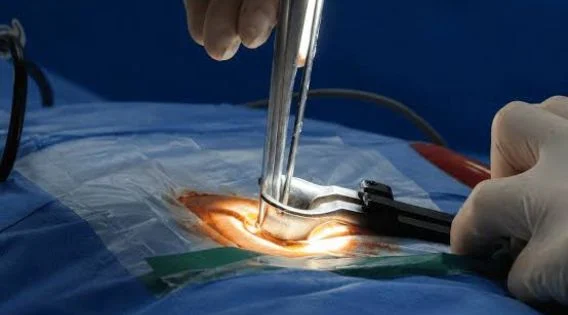
The discussion around Vertebroplasty vs Kyphoplasty centers on how bone cement is placed inside the fractured vertebra. Both procedures use imaging guidance and needles to deliver cement, which hardens to stabilize the affected bone.
During vertebroplasty, cement is injected directly into the vertebra. During kyphoplasty, a balloon first creates a cavity and may restore some lost vertebral height before cement placement. Restoring height is not guaranteed, and neither procedure reverses osteoporosis. The choice depends on fracture characteristics, symptoms, and the clinician’s assessment.
Potential Benefits and Their Limitations
For appropriately selected patients, treatment may reduce fracture-related pain and make movement more comfortable. Improved mobility can help older adults resume personal care and participate in rehabilitation.
However, relief is not guaranteed. These procedures target painful vertebral compression fractures, rather than every cause of back pain. Evidence about vertebroplasty’s benefit has been debated, making a balanced discussion of alternatives essential. Patients should ask what improvement is realistically expected and how success will be assessed during follow-up.
Safety Considerations for Older Adults
Age alone does not determine suitability. Frailty, heart and lung conditions, infection, bleeding risk, and the ability to tolerate positioning and anaesthesia all need assessment.
Possible complications include bleeding, infection, and cement leakage. Leakage often causes no symptoms but can occasionally affect nerves or travel into blood vessels, causing serious problems. Further vertebral fractures can also occur. The specialist should explain these risks in relation to the patient’s health and fracture pattern.
Patients seeking spine fracture treatment in Kolkata should choose a team that provides appropriate imaging, anaesthetic assessment, and clear follow-up arrangements. Share a complete medication list, particularly blood thinners, and follow individual instructions instead of stopping medicines independently.
Recovery and Returning to Daily Activities
Vertebroplasty and Kyphoplasty recovery time in the elderly varies with overall health, fracture severity, and the number of vertebrae treated. Many patients return home the same day, although some need observation or additional support. Pain improvement may occur quickly or develop over several days.
Gentle movement usually resumes according to the treating team’s instructions. Heavy lifting, strenuous activity, and excessive bending or twisting may remain restricted for several weeks. Discharge does not mean unrestricted recovery, so families should arrange transport and help at home where needed.
Protecting Long-Term Bone Health
Treating one fracture does not remove the underlying risk of another. Follow-up should include osteoporosis management, nutrition assessment, fall prevention, and an appropriate exercise plan.
Before discharge, request written guidance about wound care, medicines, activity, and symptoms requiring urgent attention. A personalised recovery plan, supported by family and regular review, helps senior citizens approach treatment with realistic expectations and greater confidence.