Waterproofing is a crucial aspect of construction and maintenance, especially in areas prone to moisture and heavy rainfall. Effective waterproofing protects buildings from water damage, mold growth, and structural issues. With various materials available, it’s essential to understand each option to make informed decisions for your specific needs. This guide will explore the different waterproofing materials, including waterproofing cement, agents, membranes, and more.
1. Waterproofing Cement
Waterproofing cement is a specialized product designed to enhance the water resistance of concrete structures. It contains additives that reduce porosity and increase durability. Here are some key points to consider:
- Applications: Ideal for foundations, basements, and other concrete surfaces exposed to moisture. It can be mixed with traditional concrete or applied as a topcoat.
- Benefits: Provides a strong barrier against water penetration, helping to prevent leaks and damage. It is often cost-effective and easy to apply, making it a popular choice for many construction projects.
2. Waterproofing Membranes
Waterproofing membranes are barriers that prevent water from penetrating a surface. They come in various types, including:
a. Liquid Membranes
- Description: Applied as a liquid that cures to form a seamless, flexible layer.
- Applications: Suitable for roofs, balconies, and terraces.
- Benefits: Easy to apply and can conform to complex shapes, providing excellent waterproofing coverage.
b. Sheet Membranes
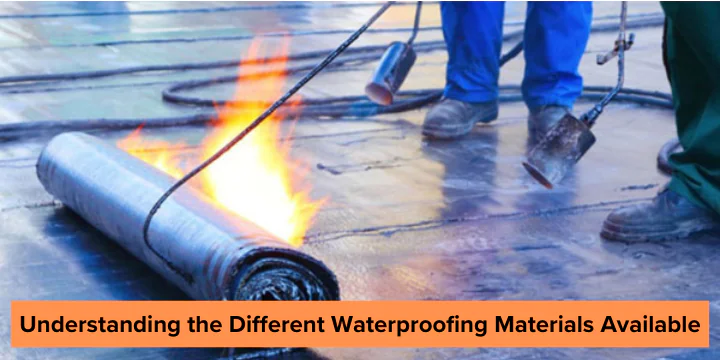
- Description: Pre-manufactured sheets made from materials like PVC, TPO, or modified bitumen.
- Applications: Commonly used for flat roofs, walls, and below-grade applications.
- Benefits: Highly durable, resistant to punctures, and effective for large surface areas. They often come with a longer lifespan compared to liquid membranes.
c. Self-Adhering Membranes
- Description: These membranes have an adhesive backing that allows them to bond directly to the surface.
- Applications: Ideal for basements, foundations, and areas around windows and doors.
- Benefits: Easy to install and do not require additional adhesives, making them a convenient option for many projects.
3. Waterproofing Chemicals
Waterproofing chemicals are specially formulated products that enhance the water resistance of various surfaces. These chemicals can be used as additives or coatings. Some common types include:
a. Waterproofing Agents
- Description: These are chemical additives mixed with concrete or mortar to improve water resistance.
- Applications: Used in concrete for foundations, walls, and slabs.
- Benefits: They enhance the properties of the concrete, making it more resistant to moisture and increasing its overall durability.
b. Liquid Waterproofing Coatings
- Description: These coatings are applied directly to surfaces to create a waterproof barrier.
- Applications: Suitable for roofs, walls, and other exposed surfaces.
- Benefits: They provide a flexible, seamless finish that can accommodate movement and temperature changes.
4. Waterproofing Paint
Waterproofing paint is a versatile solution that can be applied to both interior and exterior surfaces. This type of paint is designed to create a water-resistant barrier, preventing moisture penetration. Key aspects include:
- Applications: Commonly used on walls, ceilings, and floors in basements, bathrooms, and other moisture-prone areas.
- Benefits: Easy to apply and available in various colors, allowing homeowners to maintain aesthetic appeal while providing protection. Some waterproofing paints also come with elastomeric properties, enabling them to expand and contract with temperature changes.
5. Waterproofing Sealants
Sealants are materials used to fill gaps and joints in various surfaces to prevent water infiltration. They are commonly used in conjunction with other waterproofing materials. Consider the following:
- Types: Silicone, polyurethane, and acrylic sealants are popular options. Each has unique properties suitable for different applications.
- Applications: Used in roofing, windows, doors, and other areas where water may penetrate.
- Benefits: Effective for creating watertight seals and preventing leaks in vulnerable areas.
6. Waterproofing Sheets
Waterproofing sheets are pre-formed materials made from various substances, designed to be applied to surfaces to provide waterproofing. These sheets can be made from rubber, PVC, or other materials. Key points include:
- Applications: Ideal for roofs, below-grade walls, and areas susceptible to water exposure.
- Benefits: They provide a durable barrier against moisture and are often easy to install, making them a popular choice for many construction and renovation projects.
7. Drainage Systems
While not a waterproofing material per se, effective drainage systems play a vital role in waterproofing strategies. Proper drainage helps direct water away from structures, reducing the risk of moisture penetration. Consider the following:
- Types: French drains, gutters, and sump pumps are common drainage solutions.
- Benefits: They help manage water flow around your property, minimizing the chances of water buildup and subsequent damage.
Choosing the Right Waterproofing Material
Selecting the appropriate waterproofing material depends on various factors, including:
- Type of Structure: Consider the specific areas that require waterproofing (e.g., roofs, foundations, basements).
- Environmental Conditions: Assess the climate and potential moisture levels in your region. In areas prone to heavy rainfall, more robust waterproofing materials may be necessary.
- Budget: Evaluate the cost of materials and installation. While some options may have higher upfront costs, they may offer better long-term protection and durability.
Conclusion
Understanding the different waterproofing materials available is essential for effective moisture management in your home or construction project. From waterproofing cement to membranes, chemicals, and paints, each option offers unique benefits and applications. By considering your specific needs, environmental conditions, and budget, you can select the right waterproofing solutions to protect your property from water damage and ensure its longevity. Investing in quality waterproofing materials today can save you time and money in the future, providing peace of mind and a safe living environment.