Electric motors are at the heart of countless machines, from conveyor belts in factories to HVAC systems in large buildings. Yet behind every efficient motor is a control system that makes sure it runs safely and reliably. In many facilities, that means using industrial motor controls and commercial motor controls to keep everything operating smoothly. These two types of systems may sound complicated, but with a little guidance, anyone can understand their purpose, benefits, and impact.
What Are Industrial Motor Controls?
Industrial motor controls are systems and devices that regulate the operation of electric motors in factories, plants, and other industrial settings. They manage when motors start, stop, speed up, or slow down, ensuring they run efficiently and safely. Without proper controls, motors could draw too much current, overheat, or damage the equipment they drive.
Commercial motor controls share the same basic function but are typically designed for smaller or less demanding environments such as office buildings, retail stores, or commercial kitchens. Industrial motor controls, by contrast, handle heavier loads, more complex processes, and often integrate with larger automation systems.
Why Industrial Motor Controls Are Essential for Safety
In an industrial environment, motors power critical systems like pumps, conveyors, compressors, and heavy machinery. Any malfunction can result in production delays, costly repairs, or safety hazards. Industrial motor controls help prevent these problems by monitoring and regulating electrical current, voltage, and mechanical conditions.
Commercial motor controls play a similar role in non-industrial settings, protecting HVAC motors, refrigeration units, or escalators. While both types provide protection, industrial motor controls are built to withstand harsher conditions and higher demands.
How Industrial Motor Controls Work in Simple Terms
Think of an electric motor as a car engine. You wouldn’t start it without ignition, a throttle, or safety systems like brakes. Industrial motor controls are like that ignition system—they provide a controlled way to start, stop, and adjust motors.
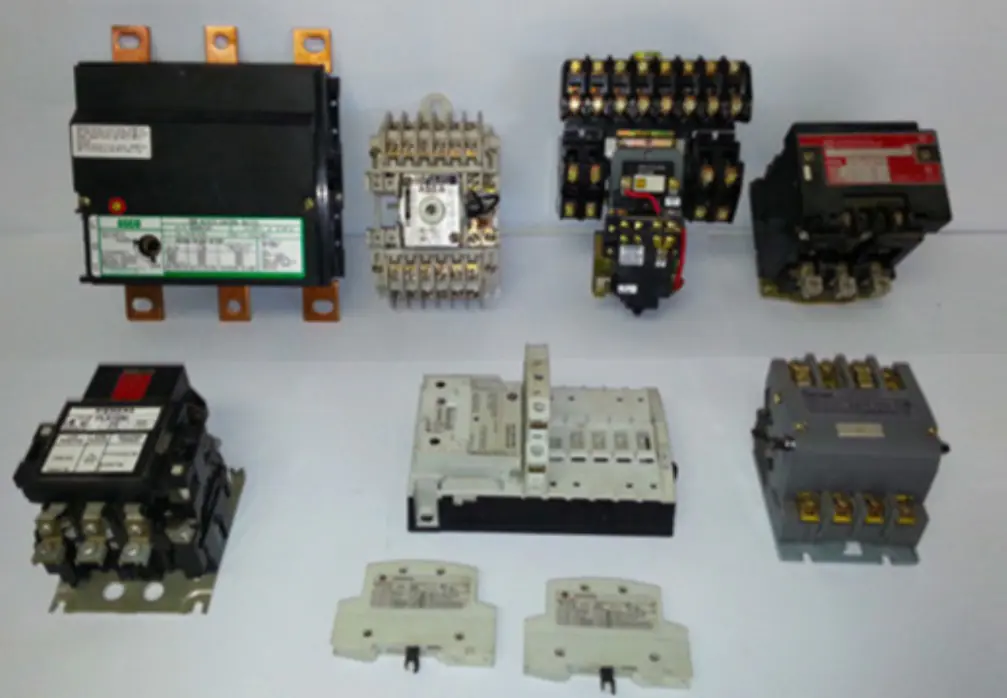
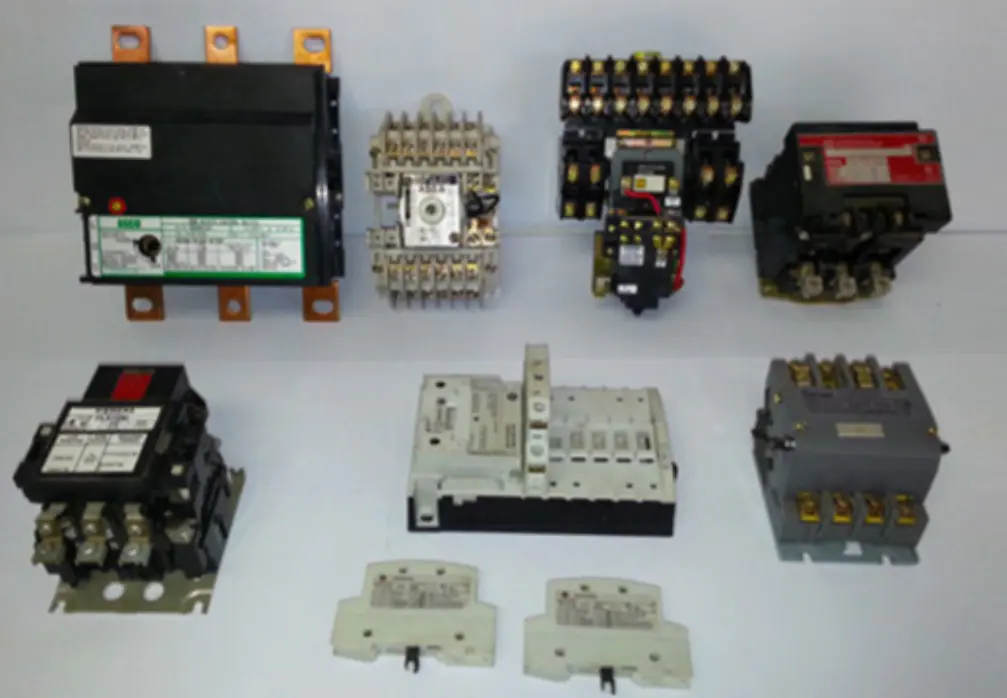
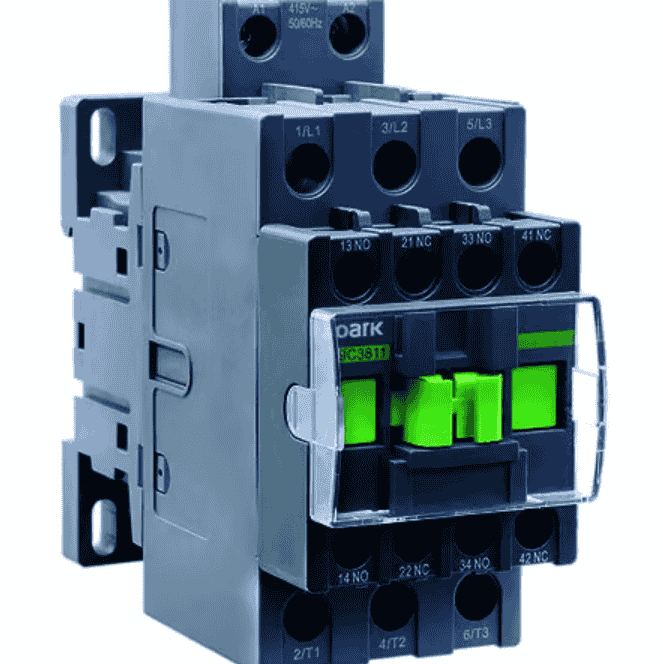
Inside an industrial motor control system, you’ll typically find contactors, overload relays, and protective devices. These components coordinate to ensure that when a motor starts, it doesn’t draw too much power at once, and that it shuts off quickly if there’s a fault. In modern facilities, these controls may also include sensors and programmable logic to automate complex operations.
Differences Between Industrial Motor Controls and Commercial Motor Controls
While both manage motors, the key difference lies in scale and complexity. Industrial motor controls are designed for high-voltage, high-current applications with multiple motors running simultaneously. They often include features like variable frequency drives, soft starters, and integration with plant-wide automation systems.
Commercial motor controls are simpler. They’re used in buildings where motors run air conditioners, elevators, or kitchen equipment. The demands are lighter, and the systems are easier to maintain. Mixing up these two types can lead to inefficiency, safety hazards, or equipment damage.
Benefits of Industrial Motor Controls
Industrial motor controls provide a wide range of advantages:
-
They protect motors from overloads, short circuits, and overheating.
-
They reduce energy consumption by managing motor speed and operation.
-
They extend the lifespan of motors and connected equipment.
-
They improve safety for workers and reliability for processes.
These benefits make industrial motor controls a critical investment for any facility relying on electric motors.
Practical Tips for Using Industrial Motor Controls Effectively
Even the best systems need proper handling to perform well. Some useful tips include:
-
Make sure controls are correctly rated for the motor and application.
-
Schedule regular inspections to catch wear or faults early.
-
Train staff to recognize warning signs like overheating or frequent tripping.
-
Keep control panels clean, dry, and free of dust.
Following these practices ensures industrial motor controls stay reliable, efficient, and safe for years to come.
The Role of Industrial Motor Controls in Automation
Modern factories are becoming more automated every year. Industrial motor controls are at the heart of this shift, linking motors to sensors, programmable controllers, and even remote monitoring systems. They enable machines to respond automatically to changes in load, temperature, or process requirements, reducing human error and improving productivity.
Commercial motor controls are also evolving, especially in large commercial buildings where energy efficiency and remote management are priorities. Understanding these developments helps decision-makers plan for future upgrades.
Energy Efficiency and Industrial Motor Controls
One of the biggest advantages of industrial motor controls is energy savings. By regulating motor speed and optimizing operation, these controls can significantly reduce electricity consumption. This not only cuts costs but also helps meet sustainability goals and comply with regulations.
Commercial motor controls offer similar benefits at a smaller scale, such as reducing the power needed for HVAC systems or escalators. Whether in a factory or a shopping mall, smarter controls mean lower bills and a smaller environmental footprint.
Choosing the Right Industrial Motor Controls
Selecting the right control system involves more than picking a box off the shelf. You’ll need to consider the type of motor, its voltage and current requirements, the environment where it operates, and how it integrates with other systems. In some cases, adjustable settings or programmable features may be essential for handling varying loads.
Commercial motor controls are easier to specify, but even they must match the equipment they manage. Mismatched controls can lead to inefficiency, nuisance shutdowns, or premature equipment failure.
Maintenance and Troubleshooting of Industrial Motor Controls
Even rugged systems like industrial motor controls need regular attention. Dust, moisture, vibration, and temperature extremes can affect performance over time. A good maintenance plan includes periodic inspections, functional testing, and updating settings when processes change.
When problems occur, start by checking for obvious signs like tripped overloads, loose wiring, or unusual noises. Many modern controls include diagnostic indicators to help pinpoint issues quickly, reducing downtime and repair costs.
Future Trends in Industrial Motor Controls
Technology is changing fast, and industrial motor controls are no exception. Smart controls with built-in communication features now allow remote monitoring and predictive maintenance. Instead of waiting for a motor to fail, these systems can warn operators before a problem becomes serious.
Commercial motor controls are also adopting similar features, giving building managers more visibility into energy use and system health. This shift toward smarter, connected controls will likely become standard in both industrial and commercial settings.
FAQs
Q1: What are industrial motor controls used for?
Industrial motor controls manage the starting, stopping, and protection of electric motors in factories and other industrial environments, ensuring safe and efficient operation.
Q2: How do commercial motor controls differ from industrial motor controls?
Commercial motor controls are designed for lighter loads in buildings like offices or retail spaces, while industrial motor controls handle heavier loads and more complex systems in factories or plants.
Q3: Why are industrial motor controls important for safety?
They protect motors and connected equipment from overloads, short circuits, and overheating, reducing the risk of accidents and costly downtime.
Q4: Can industrial motor controls improve energy efficiency?
Yes. By regulating motor speed and optimizing operation, industrial motor controls can reduce electricity use and extend motor life, saving money over time.