For some people living with Parkinsons’ disease, medication controls symptoms well for many years. Over time, however, its effects may become less predictable. Tremors, stiffness, slow movement, or involuntary movements can begin to interfere with daily life despite changes to medication. Deep brain stimulation, or DBS, is a treatment option for selected patients at this stage. Understanding how it works and what happens after surgery can help patients and families make an informed decision.
What Is a Brain Pacemaker?
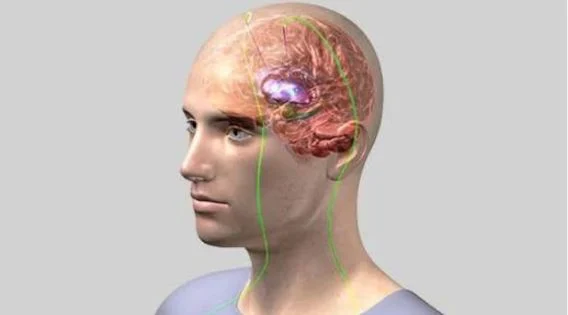
A brain pacemaker is a common name for the DBS system. It consists of thin wires, called leads, placed in carefully selected areas of the brain. These connect to a small pulse generator, usually implanted beneath the skin near the chest. The device sends adjustable electrical signals to help manage certain movement symptoms. It does not remove the cause of Parkinsons’ disease, and its settings can be changed after surgery to suit the patient’s response.
Who May Benefit From DBS?
A brain pacemaker for Parkinsons’ may be considered when symptoms respond to medication, but relief does not last consistently, or when medication causes troublesome involuntary movements. It may also help some people whose tremor remains difficult to control. DBS is not suitable for everyone. A movement disorder neurologist and a neurosurgeon assess the diagnosis, symptoms, response to medication, general health, and personal goals before recommending it. This careful selection is one of the most important parts of treatment.
What Happens Before Surgery?
The assessment usually involves more than one appointment. Your team may review your medical history, examine your movement, study brain imaging, and discuss how your symptoms change throughout the day. They will also ask what you hope to achieve. Someone seeking fewer periods of poor movement control may have a different goal from someone mainly troubled by tremor.
This is the time to discuss which symptoms DBS is likely to improve and which it may not. Ask about the recommended brain target, the planned device, possible complications, and the follow-up schedule. Bring a family member or caregiver if their support will help you remember the details and plan for recovery.
How Is the Procedure Performed?
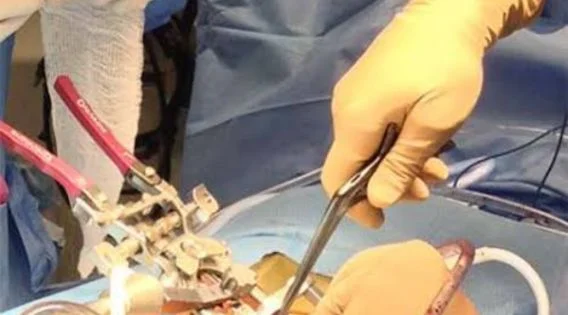
During surgery, the team places the leads using detailed imaging and precise guidance. The pulse generator is implanted and connected to the leads, sometimes in a separate stage. The exact approach varies between centers and patients. Your surgeon should explain the plan, including the type of anaesthesia and what you can expect during your hospital stay.
Like any brain operation, DBS has risks. These include bleeding, infection, and problems involving the implanted equipment. Stimulation can also cause side effects that may require an adjustment to the settings. Discuss your individual risks with the treating team before deciding on surgery.
Why Surgeon and Team Experience Matter
When searching for the best DBS surgeon in India, look beyond a headline or ranking. Ask about the surgeon’s experience with DBS, the involvement of a movement disorder neurologist, and the center’s process for programming and long-term follow-up. The operation places the leads, but care continues afterwards. A coordinated team can assess symptoms, adjust stimulation, review medication, and respond if the device needs attention.
A useful consultation should leave you with a realistic picture of the likely benefits, limitations, costs, and time commitment. It should also give you space to seek another opinion if you remain uncertain.
What Is Life Like After Surgery?
Life after DBS surgery involves a period of adjustment. The device is programmed after the operation, and finding effective settings often takes several visits. Your neurologist may also adjust your medication. Improvement can be meaningful for a suitable patient, but it is rarely an instant or identical result for everyone. Many people continue to need Parkinsons’ medication and regular reviews. DBS manages certain symptoms; it does not cure Parkinsons’ disease or stop its progression.
Keep follow-up appointments and tell your team about changes in movement, mood, speech, balance, or daily functioning. With clear goals, careful patient selection, and ongoing care, DBS can be a valuable part of a broader Parkinsons’ treatment plan.