What’s the Buzz About Honeycomb? A Sweet Guide to Creamed Honey and More
When you think of honey, chances are you picture that golden syrup in a jar. But did you know there’s more than one way to enjoy honey? Enter honeycomb and creamed honey—two delicious forms of nature’s sweet treat that not only taste amazing but are packed with natural goodness.
Let’s explore what makes them unique, how you can use them in everyday life, and why they deserve a spot in your pantry.
What Exactly is Honeycomb?
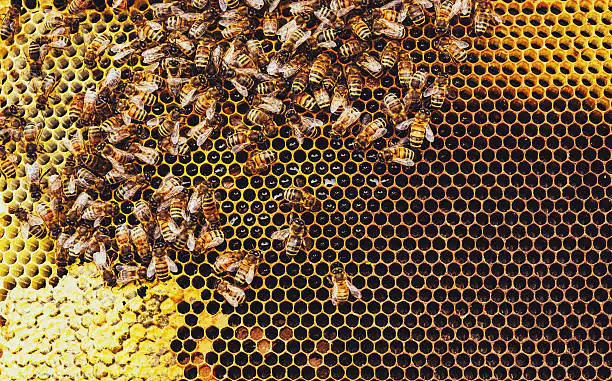
Honeycomb is the natural wax structure made by bees to store honey and pollen. It looks like a beautiful grid of tiny hexagonal cells and is completely edible. Yes, you can eat the wax too! When you chew it, it’s kind of like nature’s version of gum—soft, chewy, and lightly sweet.
People often enjoy honeycomb spread on toast, added to cheese platters, or even eaten straight from the frame for a truly rustic experience. It gives you a burst of raw, unprocessed flavor and has a gentle waxy texture that’s quite unique.
Here’s why honeycomb is loved:
Raw and natural: Nothing is filtered or processed—just straight from the hive.
Full of flavor: It has a fresh, floral taste with a delicate crunch from the wax.
Visually stunning: Adds an elegant touch to dishes and charcuterie boards.
Health perks: Packed with enzymes, antioxidants, and small amounts of bee pollen.
So, What’s the Deal with Creamed Honey?
Now, let’s talk about creamed honey. Don’t let the name confuse you—there’s no cream or dairy involved. It’s simply honey that’s been carefully processed to control crystallization. This gives it a smooth, spreadable texture similar to butter.
Creamed honey is also known as whipped or spun honey, and it’s perfect for anyone who loves a spoonful of sweetness without the sticky mess of liquid honey. It’s ideal for kids, toast, tea, or even a drizzle over yogurt.
Here’s why creamed honey is a pantry hero:
Easy to spread: No drips, no fuss—just smooth, thick sweetness.
Long shelf life: Stays fresh without hardening into chunky crystals.
Kid-friendly: Less mess means happier parents.
Versatile: Use it in baking, tea, smoothies, or even as a dip for apples.
Where and How to Use Honeycomb and Creamed Honey
You don’t have to be a foodie to enjoy these golden treasures. Both honeycomb and creamed honey can be used in everyday ways that are practical and fun.
Some sweet and simple ideas:
On toast or bagels: Swap out your usual jam or butter with creamed honey for a smooth start to your morning.
With cheese: Pair honeycomb with brie, goat cheese, or sharp cheddar. The sweet and savory combo is hard to beat.
In hot drinks: Stir creamed honey into tea or coffee—it melts beautifully and adds a creamy sweetness.
On pancakes or waffles: Ditch the syrup once in a while and try a square of honeycomb on your breakfast stack.
As a natural sweetener: Use either form in baking recipes, salad dressings, or marinades.
How Are They Different From Regular Honey?
While liquid honey is the most familiar type, honeycomb and creamed honey offer unique textures and flavors.
Texture: Honeycomb is chewy; creamed honey is smooth and thick; liquid honey is, well, liquid!
Processing: Honeycomb is raw and straight from the hive. Creamed honey is lightly processed to control crystallization.
Usage: Liquid honey is best for cooking and sweetening drinks. Creamed honey is best for spreading. Honeycomb is perfect for raw snacking or impressing guests.
These differences make it fun to keep more than one type in your kitchen so you can enjoy honey in new ways.
Tips for Storing and Buying
Buying good honey products can be tricky if you’re new to it. Here are some friendly tips:
-
Buy local when possible: Support your local beekeepers and get fresher, more flavorful honey.
-
Read labels: Look for raw or unprocessed honey for the most health benefits.
-
Store properly: Keep both creamed honey and honeycomb at room temperature in a sealed container. No need to refrigerate.
Honey doesn’t spoil, but it can change in texture over time. If creamed honey becomes too firm, just let it sit at room temp. If honeycomb starts to harden, it’s still good—just warm it slightly before eating.
The Sweetest Takeaway
Whether you’re new to the world of bees’ work or you’re a long-time honey lover, exploring different forms like honeycomb and creamed honey can really sweeten up your life. They bring flavor, fun, and a touch of nature into your kitchen—and that’s something we could all use a little more of.
So next time you spot that beautiful golden square of honeycomb or a jar of velvety creamed honey at your local market, give it a try. You might just find your new favorite treat.