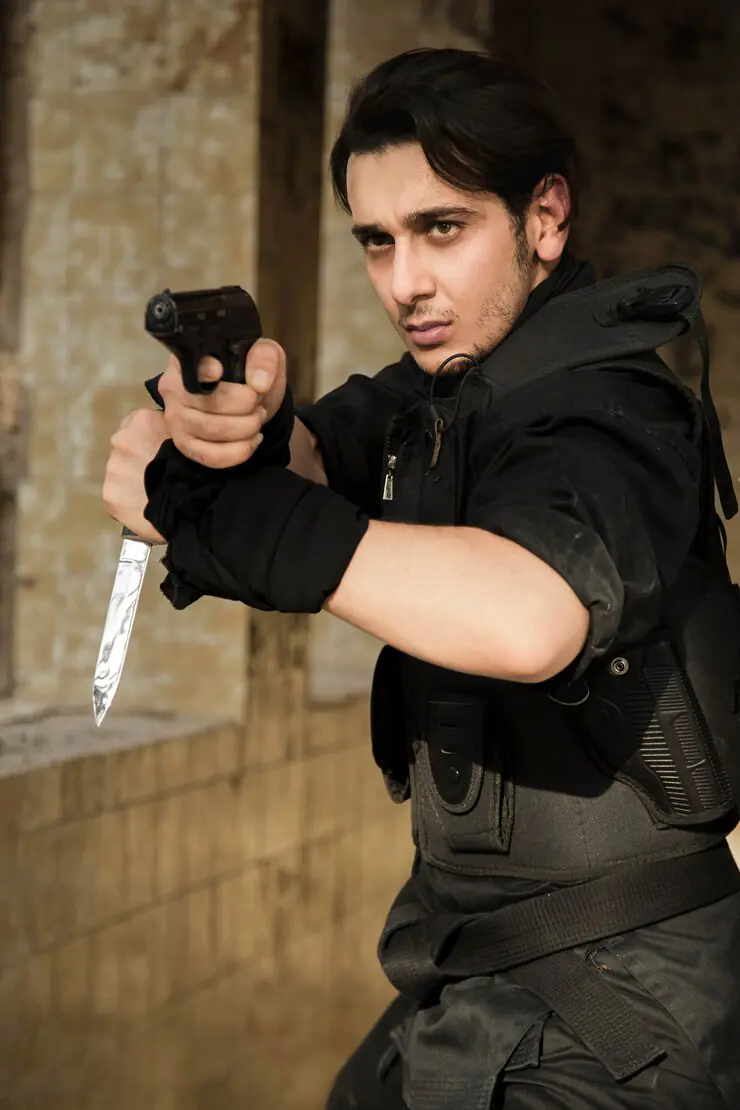
Exploring the Art of Pilipino Training Knives
Pilipino training knives hold a unique place in martial arts and self-defense training. Originating from the Philippines, these tools are more than just replicas of real blades; they represent a rich cultural heritage, a dedication to safety, and a commitment to mastery. Whether you’re a martial arts enthusiast or a newcomer curious about these specialized tools, understanding their significance can open up a fascinating world of skill and tradition.
What Are Pilipino Training Knives?
At their core, Pilipino training knives are blunt-edged replicas of traditional Filipino blades, such as the balisong, bolo, and karambit. These knives are crafted from materials like wood, rubber, or metal (with dulled edges), allowing practitioners to engage in realistic training scenarios without the risk of injury.
Their purpose is simple: to provide a safe medium for learning and honing knife-based techniques. Filipino martial arts, often referred to as Arnis, Eskrima, or Kali, emphasize bladed weaponry as a cornerstone of their practice. Training knives allow students to explore these techniques with confidence, focusing on precision, speed, and strategy rather than fearing accidental harm.
The Cultural Significance of Pilipino Training Knives
Filipino culture is deeply intertwined with the use of blades, dating back centuries to when knives and bolos were essential tools for daily life and self-defense. This cultural legacy is preserved in modern training knives, which act as both a teaching tool and a bridge to the past.
In traditional Filipino communities, learning to wield a blade was more than a martial skill; it was a rite of passage. Families passed down knowledge from one generation to the next, embedding values of discipline, respect, and responsibility. Today, training knives keep this tradition alive, fostering a connection to Filipino heritage while adapting it for contemporary martial arts.
Why Choose Pilipino Training Knives for Practice?
Safety First: One of the primary benefits of using Pilipino training knives is the emphasis on safety. Unlike real blades, training knives are designed to prevent serious injuries during sparring sessions, enabling practitioners to practice full-contact techniques confidently.
Realism Without Risk: High-quality training knives are often crafted to mimic the weight and feel of their sharp counterparts. This realism allows students to develop muscle memory and accuracy while remaining in a controlled environment.
Versatility in Training: Pilipino training knives cater to a variety of martial arts scenarios. Whether you’re practicing disarms, close-quarters combat, or flow drills, these tools are adaptable to various levels of skill and intensity.
The Modern Appeal of Pilipino Training Knives
As martial arts gain global popularity, so too does the appreciation for Filipino techniques and tools. Pilipino training knives are not only practical for martial artists but are also gaining recognition among self-defense enthusiasts, military personnel, and law enforcement officers.
What sets these training knives apart is their craftsmanship. Many are handcrafted by artisans in the Philippines, showcasing intricate designs and a commitment to quality. Owning a set of Pilipino training knives is often seen as a tribute to the artistry and history behind the blades.
Choosing the Right Pilipino Training Knife
When selecting a training knife, it’s essential to consider your training goals, experience level, and personal preferences. Here are some factors to keep in mind:
Material: For beginners, rubber training knives offer the highest level of safety. Advanced practitioners might prefer wooden or metal variants for added realism.
Weight and Balance: A good training knife should feel natural in your hand, with a balanced weight that mimics the dynamics of a real blade.
Design: Some training knives replicate specific blade types like karambits or balisongs. Choose a design that aligns with the techniques you aim to practice.
Durability: High-quality training knives should withstand repeated use without significant wear and tear.
Embracing the Journey with Pilipino Training Knives
Training with Pilipino training knives is more than a physical exercise; it’s an exploration of culture, discipline, and skill. Every drill and sparring session is an opportunity to refine your abilities, respect the art, and immerse yourself in a tradition that spans generations.
For newcomers, starting with training knives can feel intimidating. However, with time, patience, and guidance from experienced instructors, these tools become extensions of your movements—a testament to your growth as a martial artist.
For seasoned practitioners, training knives serve as a reminder of the basics, reinforcing the fundamentals while pushing the boundaries of your expertise. They are a constant in a world of evolving techniques, ensuring safety while fostering innovation.
Conclusion
Pilipino training knives are more than training tools; they are vessels of heritage, symbols of safety, and instruments of mastery. Whether you’re drawn to their cultural roots, their practical applications, or their artistic craftsmanship, these knives have something to offer for every martial artist.
By embracing the discipline they require, you’re not just learning to wield a blade—you’re becoming part of a legacy that honors tradition while evolving with the times.