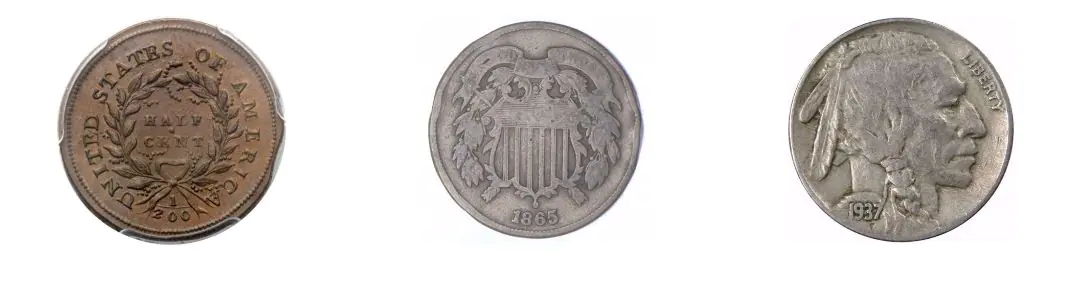
The allure of rare coins is undeniable. These small yet significant artifacts encapsulate history, art, and value, often sparking fascination among collectors and investors alike. Rare coin prices, however, can be as enigmatic as the stories behind the coins themselves. Delving into the complexities of these valuations reveals an intricate interplay of rarity, condition, demand, and authenticity.
Rare coins hold more than just monetary worth; they are time capsules reflecting pivotal moments in human civilization. Yet, their prices are influenced by more than historical context. Whether you are an avid collector or someone keen on buying rare coins for investment, understanding the mechanisms that determine their value is essential.
The Intricacies Behind Rare Coin Prices
Rare coin prices are not governed by a single factor but rather a web of elements that interact dynamically. Among the foremost considerations are the coin’s rarity, condition, and provenance. These variables, along with market demand, forge the path to its valuation.
Rarity: The term “rare” is not used lightly in numismatics. A coin’s rarity depends on its original mintage, survival rate, and unique characteristics, such as minting errors or limited editions. Coins like the 1913 Liberty Head Nickel or the 1804 Draped Bust Silver Dollar owe their astronomical values to their extreme rarity.
Condition: The physical state of a coin significantly impacts its price. Grading systems, such as those established by the Professional Coin Grading Service (PCGS) or the Numismatic Guaranty Company (NGC), provide a standardized measure of condition. Coins in mint state command higher prices than their worn counterparts, emphasizing the importance of preservation.
Provenance: A coin’s history can add immense value. Coins tied to notable historical figures or events often gain significance beyond their physical attributes. Provenance creates an intangible allure that influences collectors willing to pay a premium.
The Role of the Market in Rare Coin Valuations
Market trends play an integral role in shaping rare coin prices. Economic conditions, global events, and even cultural shifts can influence demand. For instance, during periods of financial instability, collectors often gravitate toward coins made from precious metals like gold or silver, viewing them as safe-haven assets.
Auction results and private sales also contribute to shaping market benchmarks. High-profile sales often attract significant attention, setting new price records and influencing broader market expectations. Similarly, the accessibility of information and online marketplaces has expanded the collector base, introducing new buyers to the rare coin ecosystem.
Where to Acquire Rare Coins: The Foundation of Trust
Acquiring rare coins requires discernment and trust. The provenance and authenticity of a coin can only be verified through reputable channels. Serious collectors and investors gravitate toward dealers and auction houses known for their expertise and adherence to ethical standards.
Organizations such as the American Numismatic Association (ANA) uphold stringent codes of conduct, ensuring that transactions remain transparent and reliable. Additionally, third-party grading services provide certificates of authenticity, offering peace of mind to buyers and bolstering confidence in the coin’s value.
The Timeless Appeal of Rare Coins
The fascination with rare coins transcends generations. These artifacts are tangible links to bygone eras, representing the artistry and innovation of their time. Beyond their aesthetic and historical appeal, rare coins often serve as sound investments. As tangible assets, they can act as a hedge against inflation, offering stability in an unpredictable economic climate.
Yet, the true value of rare coins extends beyond financial considerations. They offer an opportunity to own a piece of history, to connect with moments that shaped civilizations, and to preserve these treasures for future generations.
The Evolution of Rare Coin Collecting
As the numismatic world evolves, technology continues to reshape the way rare coins are bought and sold. Online platforms have democratized access to this once-exclusive hobby, enabling collectors from around the globe to participate in auctions and private sales. This accessibility, coupled with advances in grading technology, ensures that the rare coin market remains vibrant and transparent.
However, the advent of digital platforms also underscores the importance of due diligence. Buyers must remain vigilant, verifying the authenticity of coins and the credibility of sellers to avoid counterfeits or overpriced acquisitions. Established marketplaces with rigorous verification processes are the safest venues for such transactions.
A Future Rooted in History
Rare coins represent a fusion of art, history, and investment potential. Their value lies not just in the materials they are made of but in the stories they tell and the emotions they evoke. As markets grow and technology continues to innovate the field, the fascination with rare coins endures.
For those who wish to buy rare coins, the journey begins with a deep appreciation of their significance. Understanding the factors that shape rare coin prices empowers collectors and investors alike to make informed decisions, ensuring that each acquisition is both meaningful and valuable.