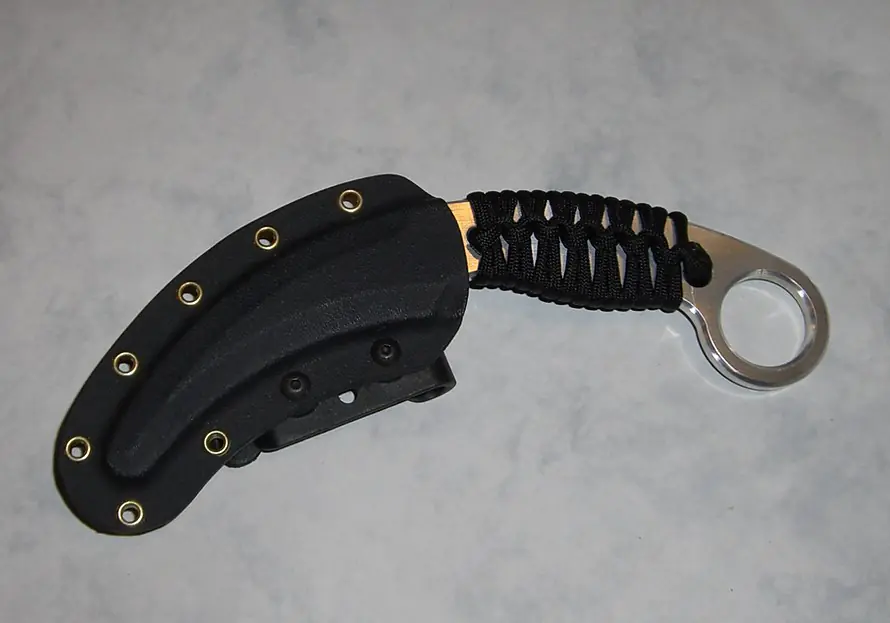
Training with weapons in martial arts can be both exciting and intimidating. For those eager to learn knife techniques while prioritizing safety, martial arts training knives are essential tools. Whether you’re training in Filipino martial arts like Kali (also known as Arnis or Eskrima), self-defense, or even tactical knife skills, using the right training knife can make all the difference.
In this post, we’ll dive into the benefits of training knives, tips on choosing the right ones, and how to use them safely and effectively. By the end, you’ll be equipped to approach training with confidence!
Why Use Martial Arts Training Knives?
Real knives are sharp, dangerous, and definitely not beginner-friendly. Enter martial arts training knives—replicas designed for safe practice without the risk of injury. Here’s why they’re indispensable:
- Safety First: Training knives are typically made from rubber, wood, or blunted metal, reducing the risk of cuts and injuries during practice.
- Build Muscle Memory: They allow practitioners to focus on technique without fear, helping build essential muscle memory for real-life scenarios.
- Affordable and Accessible: With various materials and designs, you can find a training knife that fits your budget and style of practice.
- Versatile Training: They’re perfect for sparring, drills, and flow practice, especially in arts like Kali.
Tips for Choosing the Perfect Training Knife
When shopping for martial arts training knives, consider these factors to make an informed decision:
1. Material Matters
- Rubber Training Knives: Soft and lightweight, these are ideal for beginners and sparring. They bend slightly upon impact, minimizing pain.
- Wooden Knives: Heavier than rubber, wooden knives offer a more realistic weight for practicing forms. Be cautious during contact drills to avoid bruises.
- Blunt Metal Knives: Often used for advanced practitioners, these provide the closest feel to a real knife. Ensure they’re blunt-edged for safety.
2. Realistic Design
Training knives with a realistic look and feel, such as Cali training knives, mimic actual blades. This enhances your experience, especially when practicing disarms or knife drills.
3. Durability and Comfort
- Look for knives that can withstand repeated impacts without breaking.
- Ensure the grip feels comfortable in your hand—slippery handles can disrupt practice.
4. Size and Weight
Choose a size and weight that matches your skill level and the type of martial art you practice. Heavier training knives may feel more realistic but can tire out beginners quickly.
Actionable Tips for Safe Training with Martial Arts Training Knives
Even with training knives, safety should always be a priority. Here’s how to stay injury-free:
1. Establish Boundaries
- Set up a safe training space free from obstacles and distractions.
- Communicate with your partner about boundaries, such as speed and contact level.
2. Wear Protective Gear
Use padded gloves and forearm guards during sparring to reduce impact injuries. While rubber knives are safer, they can still cause bruises during intense drills.
3. Start Slow
- Begin with basic knife-handling techniques like grip, slashing angles, and thrusts.
- Gradually progress to partner drills and sparring only when comfortable.
4. Practice Awareness
- Always be mindful of your surroundings and movements.
- Visualize real-life scenarios where you might need to apply these techniques.
5. Use Cali Training Knives for Flow Drills
Flow drills are essential in Filipino martial arts for learning smooth transitions between attack and defense. Incorporating Cali training knives into your drills helps simulate realistic situations and refine your skills.
Benefits of Training with Martial Arts Knives
Aside from improving your martial arts techniques, incorporating training knives into your practice offers additional advantages:
1. Enhanced Reflexes
Knife training sharpens your reflexes as you learn to anticipate and counter fast attacks. This skill can translate to other areas of self-defense.
2. Better Coordination
Using both hands to defend and attack during knife training improves hand-eye coordination and overall body awareness.
3. Realistic Self-Defense Preparation
While training knives are safer, they mimic real-life scenarios, preparing you to face potential threats more effectively.
4. Mental Focus
Knife drills require concentration and discipline, promoting mental clarity that benefits all aspects of martial arts training.
Common Mistakes to Avoid in Knife Training
1. Skipping Safety Gear
Even a rubber training knife can hurt if used improperly. Don’t neglect protective equipment.
2. Practicing Without Guidance
If you’re a beginner, train under a qualified instructor. They can correct bad habits and teach you proper techniques.
3. Overemphasizing Speed
Speed without accuracy leads to sloppy techniques. Focus on precision first, then gradually increase speed.
4. Neglecting Footwork
Good knife training isn’t just about the hands—footwork is key to positioning and evasion. Practice moving fluidly while maintaining balance.
Where to Buy Quality Training Knives
Several brands and retailers specialize in high-quality martial arts training knives and Cali training knives. Look for reputable online stores or martial arts supply shops. Read reviews, compare materials, and ask your instructor for recommendations if unsure.
Conclusion: Sharpen Your Skills Safely
Training with martial arts training knives is a rewarding way to improve your martial arts skills, self-defense readiness, and overall confidence. With the right tools and a focus on safety, you’ll enjoy an engaging and productive training experience.
Whether you’re a Kali enthusiast looking for durable Cali training knives or a martial artist exploring weapon techniques, the key is to start slow, prioritize safety, and practice consistently. Equip yourself with the right knowledge and tools to become a more skilled and responsible practitioner.