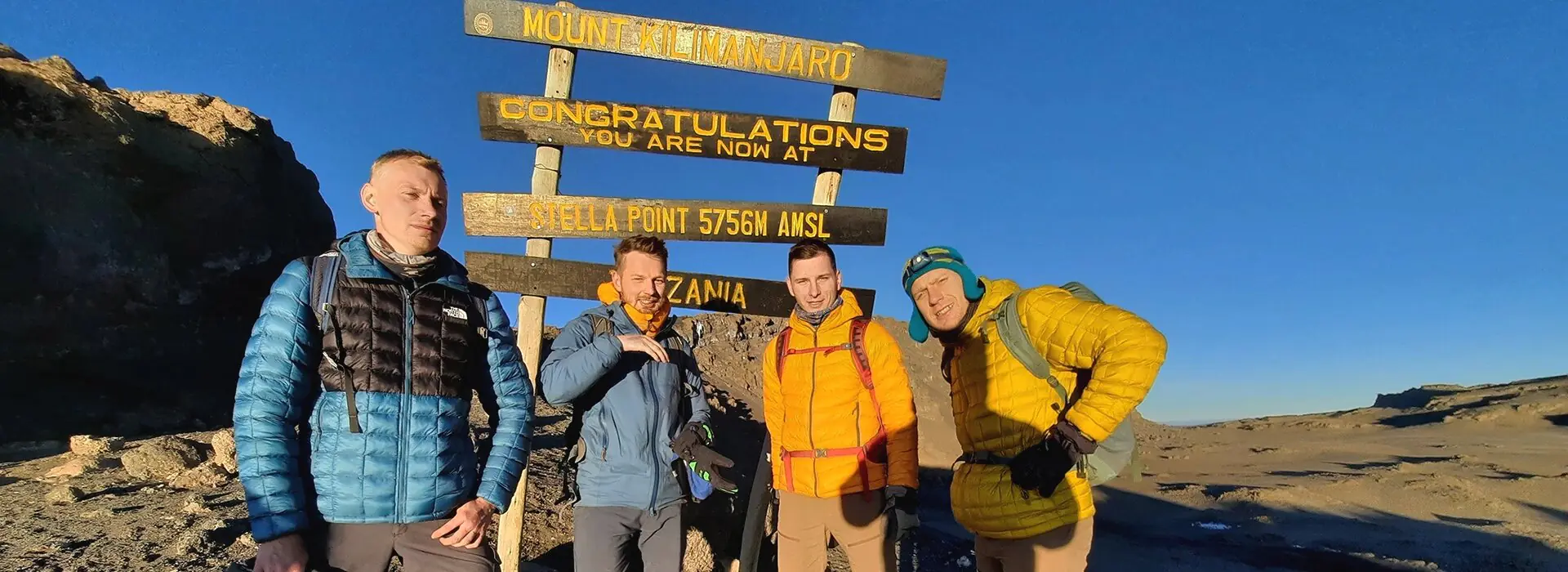
Kilimanjaro Climbing Safety Tips: How to Ensure a Successful Summit
Climbing Mount Kilimanjaro is a bucket-list adventure for many, offering an exhilarating mix of natural beauty, personal achievement, and a deep connection with nature. However, scaling Africa’s highest peak is no easy feat. Proper preparation and adherence to safety protocols are crucial to ensuring your climb is as safe as it is rewarding.
In this guide, we’ll walk you through the essential safety tips for Kilimanjaro climbing, helping you achieve a successful summit while minimizing risks. If you’re planning your trek via the picturesque Kilimanjaro climbing Via Lemosho route, these tips will be especially valuable.
1. Choose the Right Route and Operator
Your route and trekking company play a significant role in the safety and success of your climb.
- Select the Right Route: The Lemosho Route is a favorite for its gradual ascent, stunning views, and high success rate. It offers ample time for acclimatization, which is key to avoiding altitude sickness.
- Book a Reputable Operator: Choose an experienced and certified operator like Footprint Adventure. They provide skilled guides, well-maintained equipment, and prioritize your safety at every step.
2. Understand Altitude Sickness
Altitude sickness is one of the most significant challenges on Kilimanjaro. Recognizing and managing its symptoms is crucial.
What is Altitude Sickness?
Altitude sickness occurs when your body struggles to adjust to lower oxygen levels at high altitudes. Symptoms include:
- Headaches
- Nausea
- Fatigue
- Dizziness
How to Prevent It:
- Go Slow: A gradual ascent allows your body to acclimatize. The Lemosho Route’s longer itinerary is ideal for this.
- Stay Hydrated: Drink at least 3-4 liters of water daily.
- Listen to Your Body: Don’t ignore symptoms. Communicate with your guide if you feel unwell.
- Use Medication: Consult your doctor about taking Diamox, a common altitude sickness medication.
3. Pack the Right Gear
Having the correct gear ensures you’re prepared for Kilimanjaro’s varied climates.
- Layered Clothing: Essential for managing temperature changes.
- Waterproof Gear: Sudden rains are common, so invest in a high-quality waterproof jacket and pants.
- Sturdy Footwear: Comfortable, waterproof hiking boots with good grip are a must.
- Sleeping Bag: A four-season sleeping bag rated for sub-zero temperatures is essential for the freezing nights.
For a detailed packing guide, refer to our previous article, “What to Pack for Kilimanjaro Climbing.”
4. Train for the Climb
Physical preparation is key to a safe and enjoyable climb.
Cardiovascular Fitness:
Engage in activities like hiking, running, or cycling to build endurance.
Strength Training:
Focus on strengthening your legs, core, and back to handle steep inclines and long hours of trekking.
Practice Hikes:
Simulate conditions by hiking at high altitudes or with a weighted backpack.
5. Stay Hydrated and Nourished
Proper hydration and nutrition fuel your body for the climb.
- Hydration: Dehydration worsens altitude sickness, so drink water frequently.
- Snacks: Pack high-energy snacks like nuts, dried fruits, and energy bars.
- Meals: Your operator will provide meals, but ensure they include carbohydrates, proteins, and fats for sustained energy.
6. Follow the “Pole, Pole” Philosophy
“Pole, pole” (Swahili for “slowly, slowly”) is a mantra for Kilimanjaro climbers.
- Why It Matters: A slow pace conserves energy, reduces strain, and helps with acclimatization.
- How to Practice It: Resist the urge to rush. Let your guide set a comfortable pace.
7. Climb During the Full Moon
For a unique and safer experience, consider climbing Kilimanjaro during a full moon. The moonlight enhances visibility during night treks and adds a magical ambiance to the journey. Learn more about this in the Climbing Kilimanjaro during Full Moon guide.
8. Respect Your Limits
Summiting Kilimanjaro is a significant achievement, but your health and safety should always come first.
- Turn Back if Necessary: If symptoms of altitude sickness worsen, it’s safer to descend.
- Trust Your Guide: They are trained to recognize danger signs and make critical decisions.
9. Prepare for Summit Night
The final push to Uhuru Peak begins around midnight and is the most challenging part of the climb.
What to Expect:
- Freezing temperatures
- Steep inclines
- Long hours of trekking
How to Prepare:
- Dress Warmly: Wear all your layers, including gloves and a balaclava.
- Eat and Drink: Fuel up with a light snack and warm fluids before starting.
- Stay Positive: Focus on the reward of reaching the summit.
10. Practice Responsible Trekking
Preserving Kilimanjaro’s natural beauty is a shared responsibility.
- Leave No Trace: Carry all waste back down.
- Stick to Trails: Avoid damaging vegetation by staying on designated paths.
- Support Porters’ Welfare: Ensure your operator follows ethical practices, such as fair wages and weight limits for porters.
Conclusion: Your Journey Awaits
Climbing Kilimanjaro is an adventure that demands respect, preparation, and perseverance. By following these safety tips, you can minimize risks and maximize your chances of a successful summit.
For a seamless and secure experience, book your trek with Footprint Adventure. Their expert guides, personalized itineraries, and commitment to safety make them the ideal partner for your Kilimanjaro climb.
Read Blog “The Physical and Mental Preparation for Climbing Kilimanjaro”: https://phenomenalarticles.com/the-physical-and-mental-preparation-for-climbing-kilimanjaro-footprint-adventure/