Understanding rare coin prices is the first step for any collector who wants to build a valuable portfolio. Many people find old coins in an attic or inherit a collection and immediately wonder what it might be worth. You need to know the market mechanics before you decide to sell rare coins or trade them. The world of numismatics is exciting but it can also be confusing for beginners because the price on a price guide is not always the cash you get in your hand. This guide will walk you through the factors that drive value and how to navigate the selling process without getting shortchanged. We will look at grading and market trends and reliable dealers. You will learn to spot the difference between a common piece of silver and a true rarity. It is time to turn that jar of old change into serious knowledge.
What Actually Determines the Price of a Coin?
The value of a coin comes down to three main things which are scarcity and condition and demand. Scarcity is not just about how many coins were made originally. It is about how many have survived over the decades or centuries. You might have a coin with a mintage of millions but if most were melted down then the survivors become rare. Condition is equally important because a coin in mint state is worth far more than a worn one. Collectors pay a premium for coins that look brand new. Demand plays the final role. Some series like Morgan Silver Dollars are always popular. Other obscure coins might be rare but have few buyers. You have to balance all these factors. A rare coin in poor condition might still be valuable but a common coin needs to be perfect to fetch a high price. You should look at recent auction records to see what buyers are actually paying right now.
The Importance of Professional Grading
You cannot trust your own eyes alone when it comes to grading. The difference between a grade of 64 and 65 on the Sheldon scale can mean thousands of dollars. This is why third-party grading services like PCGS and NGC are so important. They encapsulate the coin in a hard plastic holder and assign a specific grade. This guarantees the coin is authentic and gives buyers confidence. A raw coin is a coin without this certification and it sells for less because there is more risk involved. If you have a high-value item you should get it graded before you try to sell it. The cost of grading is usually worth it for the increase in resale value. Dealers and collectors trust the slab more than a verbal opinion. It removes the guesswork and standardizes the transaction. You will find that certified coins are much more liquid in the marketplace.
Bullion Value Versus Numismatic Value
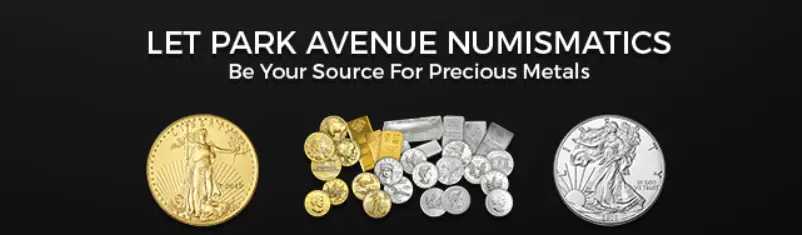
You need to know if your coin is worth money for its metal or its history. Bullion coins are valued based on the spot price of gold or silver. Their price moves up and down with the commodities market. A gold eagle is a good example of this. Numismatic coins are valued for their rarity and historical significance. These coins can be worth many times the value of the metal they contain. A copper penny from 1793 is worth a fortune even though it has almost no intrinsic metal value. Understanding this distinction is vital. If you sell a rare date gold coin for its melt value you are losing a massive amount of money. You must identify the key dates and mint marks that separate a bullion piece from a collector’s item. Park Avenue Numismatics specializes in helping clients distinguish between these two types of assets. They ensure you do not sell a historical treasure for scrap prices.
Market Trends and Timing Your Sale
The coin market fluctuates just like the stock market or real estate. There are times when prices are hot and times when they cool off. Economic uncertainty often drives people toward tangible assets like rare coins and precious metals. This can push prices up. You should keep an eye on economic news and inflation reports. When the dollar is weak hard assets tend to perform well. However you should not try to time the market perfectly. It is better to sell when you have a financial need or when you want to rebalance your portfolio. Holding onto coins for the long term is usually the best strategy. Coins are not a get-rich-quick scheme. They are a store of wealth that appreciates over time. Patience is your best friend in this hobby. If you rush to sell during a dip you will regret it later.
Common Mistakes Beginners Make
The biggest mistake you can make is cleaning your coins. You might think a shiny coin looks better but cleaning destroys the surface. It removes the original luster and lowers the value instantly. Collectors want original surfaces even if they are toned or dirty. Another mistake is handling coins with your bare hands. The oils from your skin can cause corrosion over time. You should always hold a coin by its edges. Storing your collection in PVC flips is also dangerous because the plastic releases acids that damage the metal. You need to use archival-quality supplies. Many people also fail to research before they buy or sell. They rely on one opinion or a single pawn shop offer. You must get multiple quotes and do your homework. Ignorance is expensive in the numismatic world. Protecting your investment requires proper care and knowledge.
Where to Sell Your Collection Safely
You have several options when it is time to sell. You can go to a local coin shop or a coin show or an online auction. Local shops offer convenience and immediate cash. However they have high overhead costs so their offer might be lower. Coin shows allow you to shop your collection around to many dealers in one room. This is a great way to get competitive offers. Online auctions can bring high prices but you have to pay seller fees and wait for the auction to end. Direct sales to major national dealers are often the best balance of price and convenience. They have the capital to buy large collections and they have a waiting list of clients. You want to deal with a company that has a long track record and good reviews. Reputation is everything in this business. Avoid selling to general pawn shops or “we buy gold” places because they usually only pay a percentage of the metal value.
A Closer Look at Park Avenue Numismatics
Finding a trustworthy partner is essential for buying or selling. Park Avenue Numismatics is a company that stands out in the industry. They are not just a coin shop but a full-service numismatic firm. They have been in business for decades and have handled some of the finest known rarities. They focus on high-quality rare coins and precious metals for investors and serious collectors. Their team offers personalized advice rather than just trying to make a quick sale. They help you build a collection that fits your budget and your long-term goals. They also offer appraisal services if you have an inherited collection. Dealing with established experts gives you peace of mind. You know the coins are authentic and the prices are fair based on current market data. Park Avenue Numismatics acts as a consultant to guide you through the complexities of the market.
The Psychological Side of Collecting
Collecting is about the thrill of the hunt. It satisfies a deep human desire to organize and complete things. There is a specific joy in filling the last hole in a coin album. You feel a connection to history when you hold a coin that was used during the Civil War or the Roman Empire. This emotional attachment can sometimes cloud your judgment on value. You might overvalue your own collection because of the memories attached to it. This is known as the endowment effect. You need to separate your emotions from the financial reality when it is time to sell. A dealer does not pay for your sentimental value. They pay for the coin itself. Being objective helps you negotiate better. Enjoy the history and the beauty but treat the transaction like a business deal. This balance allows you to enjoy the hobby while protecting your finances.
Why Condition Rarity Matters Most
We touched on condition earlier but we need to explain condition rarity more deeply. A coin might be common in low grades but extremely rare in top grades. For example a 1921 Morgan Dollar is very common. You can find them everywhere. But a 1921 Morgan Dollar in MS67 grade is very scarce and worth thousands. This is where the big money is found. The population reports from grading services show you exactly how many coins exist at each grade level. You want to own the coins that have the lowest population numbers. These are the “finest known” examples. Serious investors fight over these top-pop coins. They are the trophies of the coin world. If you are investing significant money you should focus on quality over quantity. One spectacular coin is often a better investment than a shoebox full of average ones.
Navigating Online Marketplaces
The internet has changed how we trade coins. You can buy from anyone in the world. This opens up more supply but also more risk. You have to be careful of scams and counterfeit coins. Photos can be edited to hide flaws. You should only buy from sellers who offer a return policy. If a seller refuses returns that is a red flag. You should also check their feedback rating. On major platforms you can see what others have said about their transactions. When you are the one selling online you must take clear and high-resolution photos. You need to describe the item accurately. Honesty builds trust and brings buyers back. Online marketplaces are great for lower-value items but for expensive rarities it is usually safer to work with a dedicated dealer. The fees on some platforms can also eat into your profit margin.
The Future of Coin Collecting
The hobby is evolving with new technology. We now have apps that can identify coins and suggest values. We have blockchain technology being used to track provenance. Younger generations are getting interested in different types of coins like modern bullion and ancient coins. The classic U.S. series are still strong but tastes change. You should diversify your collection to hedge against these shifts. Maybe you mix some classic gold with some modern silver eagles. The fundamental appeal of owning a piece of history will never go away. As the world becomes more digital physical assets become more unique. Coins are tangible history that you can hold in your hand. This tactile experience is something digital assets cannot replace. The market will continue to adapt but the core principles of rarity and quality will remain the same.
Understanding Dealer Spreads
You need to understand the buy-sell spread. The dealer has to make a profit to stay in business. The price they sell a coin for is the retail price. The price they pay you is the wholesale price. The difference is the spread. On common bullion items the spread is small. It might be only a few percent. On rare numismatic coins the spread is larger. It can be twenty percent or more. This covers the dealer’s risk and holding costs. A rare coin might sit in their inventory for a year before it sells. You have to account for this spread when you calculate your potential profit. If you buy a coin today and sell it tomorrow you will likely lose money. You need the market value to rise enough to cover the spread. This is why coins are a long-term hold. You need time for appreciation to work in your favor.
How to verify Authenticity
Counterfeits are getting better every year. Some fake coins are so good they fool experienced dealers. You need to know the weight and diameter and metal composition of your coins. A simple digital scale and calipers can help you spot many fakes. Gold and silver have specific densities that are hard to mimic. You can also use a magnet. Precious metals are not magnetic. If your silver dollar sticks to a magnet it is fake. For high-value items you should learn about die diagnostics. These are specific marks or cracks on the die that struck the coin. If your coin matches the known diagnostics it is likely genuine. However the ultimate verification is certification. If you are unsure send it to a professional service. It is better to pay a fee than to unknowingly sell a fake.
The Role of Park Avenue Numismatics in Your Journey
Working with a firm like Park Avenue Numismatics can simplify all these steps. They provide a secure environment for transactions. You do not have to worry about meeting a stranger in a parking lot. They handle the shipping and insurance logistics. They also have a network of collectors looking for specific items. This means they can often pay more than a local shop that relies on walk-in traffic. They understand the nuances of the market and can explain why one coin is worth more than another. Building a relationship with a dealer is beneficial. They will look out for coins you need and give you first pick of new inventory. Trust is the currency of this trade. When you find a dealer who treats you fairly you stick with them.
Final Thoughts on Selling and Investing
You have learned that the coin market is complex but navigable. You know that condition and rarity are king. You understand the difference between bullion and numismatics. You also know that cleaning a coin is a disaster. The key takeaway is to take your time. Do not rush into a sale. Get your coins graded if they are valuable. Shop around for the best offer. Use resources like Park Avenue Numismatics to guide you. Whether you are selling a single gold coin or a lifetime collection knowledge is your best asset. The more you know the better your results will be. Treat your collection with respect and it will reward you. It is a hobby that combines history and art and finance in a unique way. Now you are ready to look at your collection with fresh eyes and determine its true potential.