

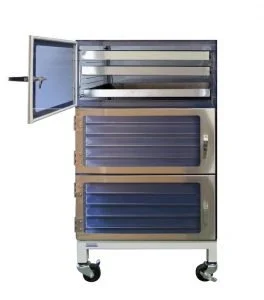
Printed circuit boards (PCBs) and electronic components can be vulnerable to moisture absorption during storage. Excess humidity may affect soldering performance, damage sensitive components, and increase the risk of defects during PCB assembly. If you store circuit boards, semiconductor devices, integrated circuits, or moisture-sensitive electronic parts, maintaining suitable storage conditions is essential.
Choosing the right desiccator cabinet helps you control humidity, protect valuable electronic materials, and maintain consistent storage conditions. However, not every cabinet offers the same moisture protection, monitoring capabilities, or storage capacity. You need to evaluate your component requirements, operating environment, and handling practices before making a selection.
1. Understand the Moisture Sensitivity of Your PCB Components
Start by identifying which electronic components require controlled humidity storage. Different PCB materials and electronic devices have different moisture sensitivity levels.
For example, moisture-sensitive surface-mount devices (SMDs), integrated circuits, semiconductor packages, and multilayer PCB assemblies may require specific storage conditions. Components classified under the IPC/JEDEC J-STD-033 standard have defined moisture sensitivity levels and handling requirements.
Review manufacturer datasheets and packaging labels to identify recommended storage humidity and exposure limits.
Before selecting a cabinet, consider:
- Moisture sensitivity level of your components.
- Recommended storage relative humidity.
- Maximum permitted floor-life exposure.
- Storage duration and environmental conditions.
- Requirements for moisture-sensitive device handling.
Understanding these factors helps you select a suitable desiccator cabinet for moisture-sensitive PCB components rather than relying on general-purpose storage.
2. Select the Appropriate Humidity Control Range
Humidity control is one of the most important factors when choosing a PCB storage cabinet. Excess moisture can accumulate inside component packaging and affect sensitive electronic materials.
Evaluate the cabinet’s ability to maintain the relative humidity required by your components. Some applications need moderate humidity control, while highly moisture-sensitive devices may require very low-humidity storage.
Consider these features:
- Adjustable humidity settings.
- Consistent humidity distribution.
- Automatic humidity regulation.
- Reliable humidity recovery after door openings.
- Digital humidity monitoring and display.
For components with specific moisture sensitivity classifications, follow the manufacturer’s storage instructions and applicable industry standards. Avoid assuming that the lowest possible humidity is always the best setting.
3. Evaluate ESD Protection Requirements
Electrostatic discharge (ESD) can damage sensitive electronic components even when moisture levels are properly controlled. Therefore, humidity protection alone may not provide complete PCB storage protection.
If you handle static-sensitive components, evaluate whether the cabinet and its accessories support your facility’s ESD control program.
Look for:
- Static-dissipative or conductive storage surfaces where appropriate.
- Compatible shelving and trays.
- Proper grounding provisions.
- ESD-safe handling accessories.
- Compatibility with your facility’s ESD protection procedures.
Remember that a standard desiccator cabinet is not automatically ESD-safe. Verify the manufacturer’s specifications before storing sensitive electronic devices.
4. Choose the Right Cabinet Capacity and Configuration
Your cabinet should accommodate current inventory while allowing room for future storage requirements. An undersized cabinet can create overcrowding, restrict airflow, and make component identification difficult.
Evaluate the dimensions of your PCB assemblies, component trays, reels, moisture barrier bags, and other storage containers.
Consider the following configuration features:
- Adjustable shelves for different component sizes.
- Multiple storage compartments.
- Suitable internal dimensions.
- Convenient access to frequently used materials.
- Expandable or modular storage arrangements.
If you manage several PCB product categories, organize components according to moisture sensitivity, production requirements, and inventory identification systems.
A properly configured humidity-controlled desiccator cabinet for PCB storage helps improve accessibility while maintaining organized storage practices.
5. Compare Digital Monitoring and Automatic Controls
Accurate humidity monitoring helps you verify whether the cabinet maintains the required storage environment.
A digital humidity display allows operators to check internal conditions without opening the cabinet. More advanced models may provide automatic humidity regulation, alarms, or data-logging capabilities.
Before purchasing, check whether the cabinet offers:
- Digital relative humidity displays.
- Temperature monitoring, if required.
- Automatic humidity control.
- High-humidity alarms.
- Data logging and monitoring options.
- Calibration and maintenance support.
If your facility follows documented quality procedures, monitoring records can help demonstrate that storage conditions remain within established limits.
6. Consider Nitrogen Purging for Specialized Applications
Some moisture-sensitive electronic components require more specialized storage conditions. In these situations, nitrogen-purged desiccator cabinets may provide an additional level of environmental control.
Nitrogen purging replaces some of the internal air with dry nitrogen, helping reduce moisture and oxygen exposure.
This approach may be useful when you need to protect sensitive electronic materials against moisture or oxidation. However, nitrogen storage is not necessary for every PCB application.
Before choosing a nitrogen-based system, evaluate:
- Required moisture and oxygen levels.
- Nitrogen supply availability.
- Gas consumption and operating costs.
- Purging controls and monitoring.
- Facility ventilation and gas safety requirements.
Select this configuration only when your component specifications and storage processes justify it.
7. Check Cabinet Construction and Material Quality
Cabinet construction influences durability, cleaning requirements, and long-term performance. Select a design that suits your laboratory or electronics manufacturing environment.
Evaluate the following:
- Corrosion-resistant cabinet construction.
- Durable doors and reliable sealing.
- Clear viewing panels for inventory inspection.
- Smooth internal surfaces for easier cleaning.
- Strong shelving for component trays and containers.
- Reliable door handles and hinges.
You should also consider how frequently operators access stored components. A well-sealed cabinet helps minimize unnecessary exposure to ambient humidity.
8. Assess Door Opening Frequency and Humidity Recovery
Frequent cabinet access can introduce humid air into the storage environment. This may temporarily increase internal humidity and affect moisture-sensitive components.
Choose a cabinet with suitable humidity recovery performance for your daily operating requirements.
Consider these factors:
- Number of daily door openings.
- Average door-open duration.
- Automatic humidity regulation.
- Door sealing effectiveness.
- Recovery time after humidity fluctuations.
If multiple operators access the same cabinet, establish clear storage and retrieval procedures. Keep frequently used materials organized near accessible shelves to reduce unnecessary door openings.
9. Consider Maintenance and Long-Term Operating Costs
Your purchasing decision should account for more than the initial cabinet price. Maintenance requirements and operating expenses also influence long-term value.
Before purchasing, review:
- Humidity sensor calibration requirements.
- Filter or desiccant replacement, where applicable.
- Nitrogen consumption, if applicable.
- Electrical power requirements.
- Availability of technical support.
- Warranty and spare parts availability.
Compare these costs across different models. A cabinet with reliable humidity control and straightforward maintenance may provide better long-term value than a cheaper alternative with limited monitoring capabilities.
10. Establish a Proper PCB Storage Management System
Even a high-quality desiccator cabinet requires appropriate operating procedures. Your storage practices should support the cabinet’s humidity control capabilities.
Implement these measures:
- Label components according to moisture sensitivity level.
- Record incoming inventory and storage dates.
- Monitor and document humidity readings.
- Minimize unnecessary cabinet access.
- Follow manufacturer-recommended storage conditions.
- Use moisture barrier bags and humidity indicator cards when required.
- Track component exposure time outside controlled storage.
- Train employees in proper handling procedures.
Remember that placing moisture-sensitive components inside a dry cabinet does not automatically reset their floor-life clock. Follow the applicable IPC/JEDEC requirements and component manufacturer’s instructions.
Why Choose CleaTech LLC for Desiccator Cabinet Solutions?
Selecting appropriate moisture-controlled storage equipment is important for protecting electronic components and supporting consistent manufacturing operations.
CleaTech LLC offers laboratory storage and environmental control solutions, including different desiccator cabinet configurations. When evaluating your requirements, consider cabinet capacity, humidity control capabilities, construction, and available monitoring options.
Explore the CleaTech Desiccator Cabinet collection to review available storage solutions for laboratory and industrial applications.
If you need help identifying a suitable configuration, Contact us today to discuss your PCB storage requirements and equipment specifications.
You can also visit CleaTech LLC to explore additional laboratory equipment and cleanroom solutions.
Conclusion
Choosing the right desiccator cabinet for PCB component storage requires careful evaluation of humidity control, ESD protection, cabinet capacity, monitoring features, construction quality, and maintenance requirements.
Start by identifying your components’ moisture sensitivity levels and recommended storage conditions. Then compare cabinet specifications against your production environment and inventory needs.
A properly selected and managed desiccator cabinet for electronic component storage can help reduce moisture exposure, improve inventory organization, and support reliable PCB manufacturing processes.
Frequently Asked Questions
Why do you need a desiccator cabinet for PCB component storage?
A desiccator cabinet provides a controlled low-humidity environment that helps reduce moisture exposure for sensitive electronic components. It supports appropriate storage practices for semiconductor devices, integrated circuits, and moisture-sensitive surface-mount components.
What humidity level is suitable for storing PCB components?
The appropriate humidity level depends on component moisture sensitivity classifications and manufacturer recommendations. IPC/JEDEC J-STD-033 describes dry cabinet storage conditions, including 5% and 10% RH applications. Always verify the applicable requirements before selecting a setting.
Are desiccator cabinets suitable for moisture-sensitive electronic components?
Yes. Suitable dry cabinets can help protect moisture-sensitive electronic components by maintaining controlled humidity. However, you must select a cabinet that meets the required humidity specifications and follow applicable component handling procedures.
Do PCB storage cabinets need ESD protection?
If you store electrostatic-sensitive components, evaluate the cabinet’s compatibility with your facility’s ESD control program. A conventional desiccator cabinet does not automatically provide static protection.
What is the difference between a standard desiccator cabinet and a nitrogen desiccator cabinet?
A standard desiccator cabinet generally controls moisture through a desiccant-based or dry-air system. A nitrogen desiccator cabinet uses nitrogen purging to help reduce internal moisture and oxygen exposure. Your application determines which configuration is appropriate.
How do you maintain a desiccator cabinet for electronic components?
Regularly monitor humidity readings, inspect door seals, verify sensor accuracy, follow maintenance schedules, and maintain organized storage practices. Check that the cabinet recovers to its required humidity level after routine access.
Can a desiccator cabinet replace moisture barrier bags for PCB components?
Not automatically. Moisture barrier bags, desiccants, and humidity indicator cards remain important for applications requiring dry-pack protection. Cabinet storage must follow the applicable component specifications and IPC/JEDEC handling requirements.


